

The sky says bedtime. The clock disagrees. And your body appears to have sided with the sky.
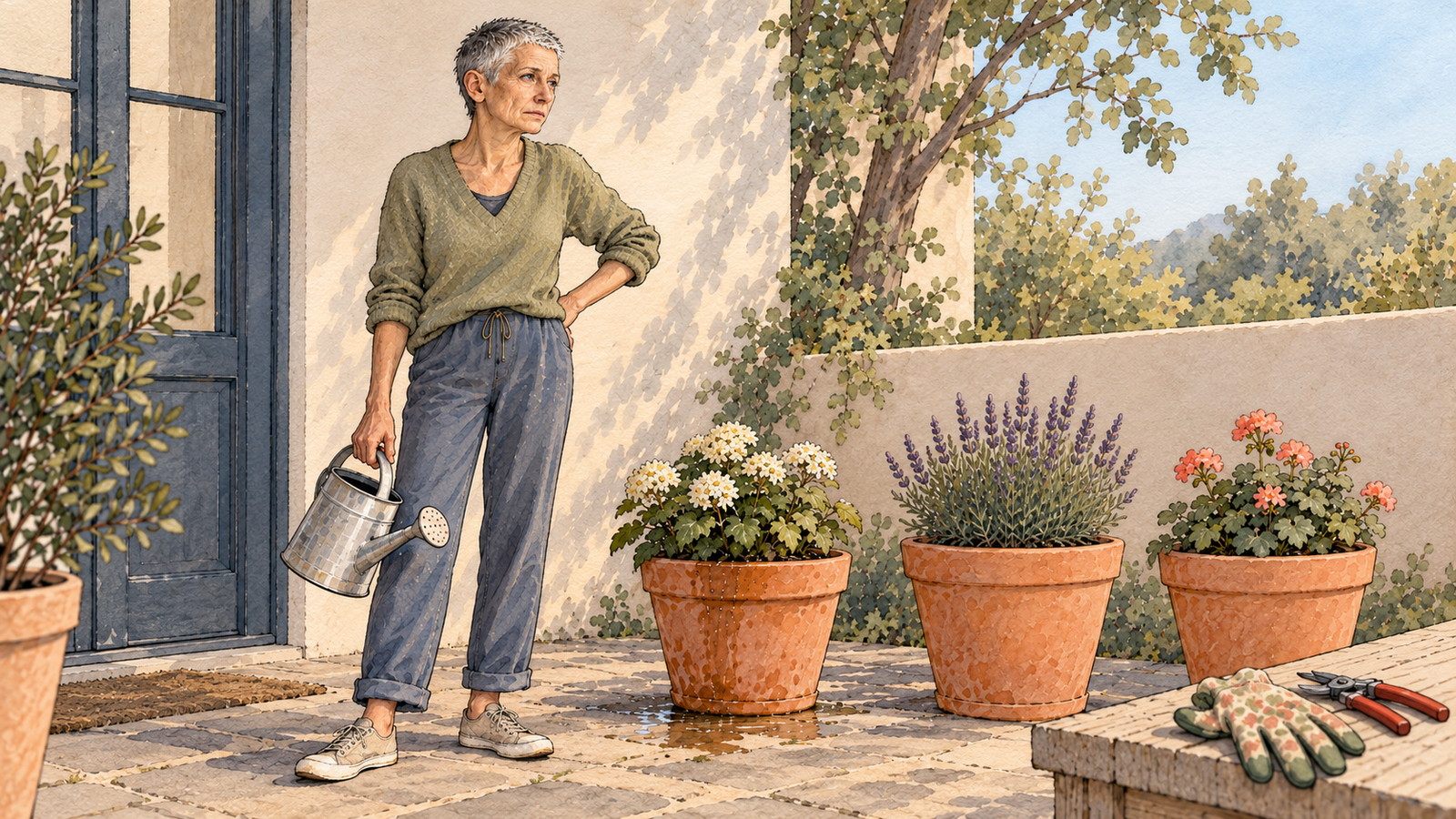
Dinner is over, the kitchen is tidy enough to pass inspection from a distance, and you’ve switched on the living-room lamp. Beyond the window, darkness has settled in for the night. You’re eyeing your pajamas and wondering whether nine o’clock is too early for bed. Then you look at your watch. It’s 6:30. You check again, because surely the watch has lost its mind. You have hours left, but your body seems to have closed for business.
The trouble isn’t just sleepiness. When your energy is already being rationed among errands, household chores, pain, and whatever else life has brought to the door, the evening may be the only time that feels like yours. You had plans to read, phone a friend, or watch something without falling asleep halfway through. Instead, the dark window is delivering a persuasive speech about surrender. You don’t necessarily want to do more work. You want to feel that there’s still some life left after dinner.
Why Darkness Makes Six-Thirty Feel Later
Autumn changes the light before most of us are ready to change our routines. A room with one gentle lamp may look charming, but it can also resemble the waiting room for a Victorian séance. In most of Arizona, we don’t even change our clocks for daylight saving time. The sun sets earlier anyway. Evidently it was not consulted about our decision.
The feeling is real, but it helps to separate three possibilities: your body may actually be ready for sleep, you may be exhausted without feeling sleepy, or the darker surroundings may simply make the evening feel finished. Those aren’t the same problem, and treating them as identical is how you end up in bed at seven, wide awake at eleven, and cross with everyone involved.
The Moon Needed a Different Dress
In Aesop’s The Moon and Her Mother (Perry 468), the Moon asks her mother to make her a gown. Her mother points out that her daughter is forever changing shape: full and round one night, a narrow crescent another, and something else soon afterward. How could one fitted dress possibly suit her through every phase? It’s sensible advice from a woman who clearly knows the cost of fabric.

We expect one daily routine to fit us in June and November, at fifty and seventy, on a good-energy day and a day when putting away the groceries is a major production. Then we blame ourselves when it pinches. The Moon wasn’t wrong to change. The dress was wrong to expect otherwise. An autumn evening may need alterations, not a declaration that your useful hours are over.
What Light and Aging Actually Change
Light helps set our circadian rhythm, the roughly twenty-four-hour system that influences when we feel alert and sleepy. The CDC explains that timing matters: bright light earlier in the day generally shifts the body’s clock earlier, while evening light can shift it later. Earlier sunsets change our light exposure, but they don’t automatically make everyone sleepy at 6:30. Your usual schedule, the light you receive throughout the day, and your own biology matter too.
The National Institute on Aging notes that many older adults become sleepy and wake earlier, while sleep may grow lighter or more interrupted. Medication, pain, and health conditions can also affect rest. More importantly, exhaustion and sleepiness are not interchangeable. You can be too tired to tackle the dishes and still unable to sleep. If the human body came with an instruction manual, I suspect it would be written by a committee that never met.
Three Ways to Reclaim an Early-Dark Evening
First, identify what you need before deciding what to do. If you’re truly sleepy, an earlier bedtime may be reasonable. If you’re tired but awake, try resting somewhere other than bed. If the room merely looks ready for midnight, turn on a comfortable lamp and give it ten minutes. You aren’t trying to win an argument with your body; you’re figuring out which message it’s sending.
Second, use light thoughtfully. Regular daylight exposure during the day can help reinforce your day-night rhythm, even if it’s only a little time sitting outdoors within your limits. In the early evening, comfortable task lighting can make reading or a hobby possible. Lower the lights as your intended bedtime approaches. If your sleep and waking have shifted much earlier than you’d like, don’t assume a powerful morning light box will fix it; ask a healthcare professional about timing first.
Third, reserve one small pleasure for after dinner, and make it easy to start: a chapter, a favorite recording, a phone call, or a bit of handwork. Move demanding jobs to your better hours when you can. If fatigue is new, persistent, or worsening, seek medical advice rather than assuming it’s simply age. No one should have to earn an enjoyable evening by finishing every task in the house.
The Clock Doesn’t Get the Final Vote
I keep Jay Griffiths’s A Sideways Look at Time on my shelf. My son and I used to debate whether time existed at all, occasionally spending two hours questioning the existence of hours. The old Greek distinction between chronos, measured time, and kairos, the fitting moment, still makes me smile. Six-thirty tells us how many hours remain. It doesn’t tell us what those hours are for.
Some nights the right answer will be bed. Others, a brighter lamp and the pleasure of staying up for something worth doing. I refuse to let the sun’s early departure make every decision for me. It hasn’t consulted me about its schedule, and I see no reason to consult it about mine.
🌒 When darkness arrives before your evening feels finished, what small change would help you keep a little of that time for yourself? Drop a note…✍️
🌿 You Might Also Enjoy
Nobody Warned Me I’d Grieve the Woman I Used to Be. When your energy, abilities, or familiar routines change, you may find yourself missing the person who could once do everything without a second thought. This article explores that quieter kind of loss and how to make room for the woman you are now.
How to Find Joy and Purpose When Life Changes. When life no longer looks the way it once did, pleasure and purpose may need a different shape. Discover how smaller, meaningful experiences can still give your days something to look forward to.
🌿 More Stories for the Life You’re Living
Life changes, sometimes dramatically, and the old answers don’t always fit the lives we’re living now. At From The Fables, we explore those changes with practical wisdom, a little humor, and timeless stories that help us see familiar problems differently.
Join me for The FTF Monthly Letter, a friendly monthly note with thoughtful observations, useful ideas, and encouragement for making the most of the life you’re living.
You’ll also receive my free book, Best I Can Do Is a Mustache, a collection of humorous stories about life’s unexpected complications and the sometimes ridiculous business of getting through them.