
What if your next favorite thing is something you haven’t even tried yet? Getting older doesn’t mean running out of discoveries, and some of life’s loveliest surprises may still be waiting for you.
By a certain age, we have a fairly settled opinion of ourselves. We know which books we like, how we take our coffee, and whether we enjoy gardening or merely admire other people’s gardens from a safe distance. Someone mentions a pottery class, and we dismiss it because we’ve never been artistic. A friend recommends jazz, and we explain that we’ve never liked jazz, although our last serious investigation may have involved one record played at a dinner party in 1982. We can become experts on our own preferences without checking whether they’re still accurate.
There’s nothing wrong with familiar pleasures. Especially when money, mobility, or energy is limited, the reliable choice can be a genuine comfort. But if every unfamiliar suggestion receives an automatic no, we may be turning down enjoyment before giving it an audition. That matters because pleasure isn’t a prize reserved for people with spare cash, vigorous knees, or a five-year plan. Sometimes it is simply the small bright spot that makes an ordinary Wednesday feel less ordinary.
When Bread Becomes a Surprise
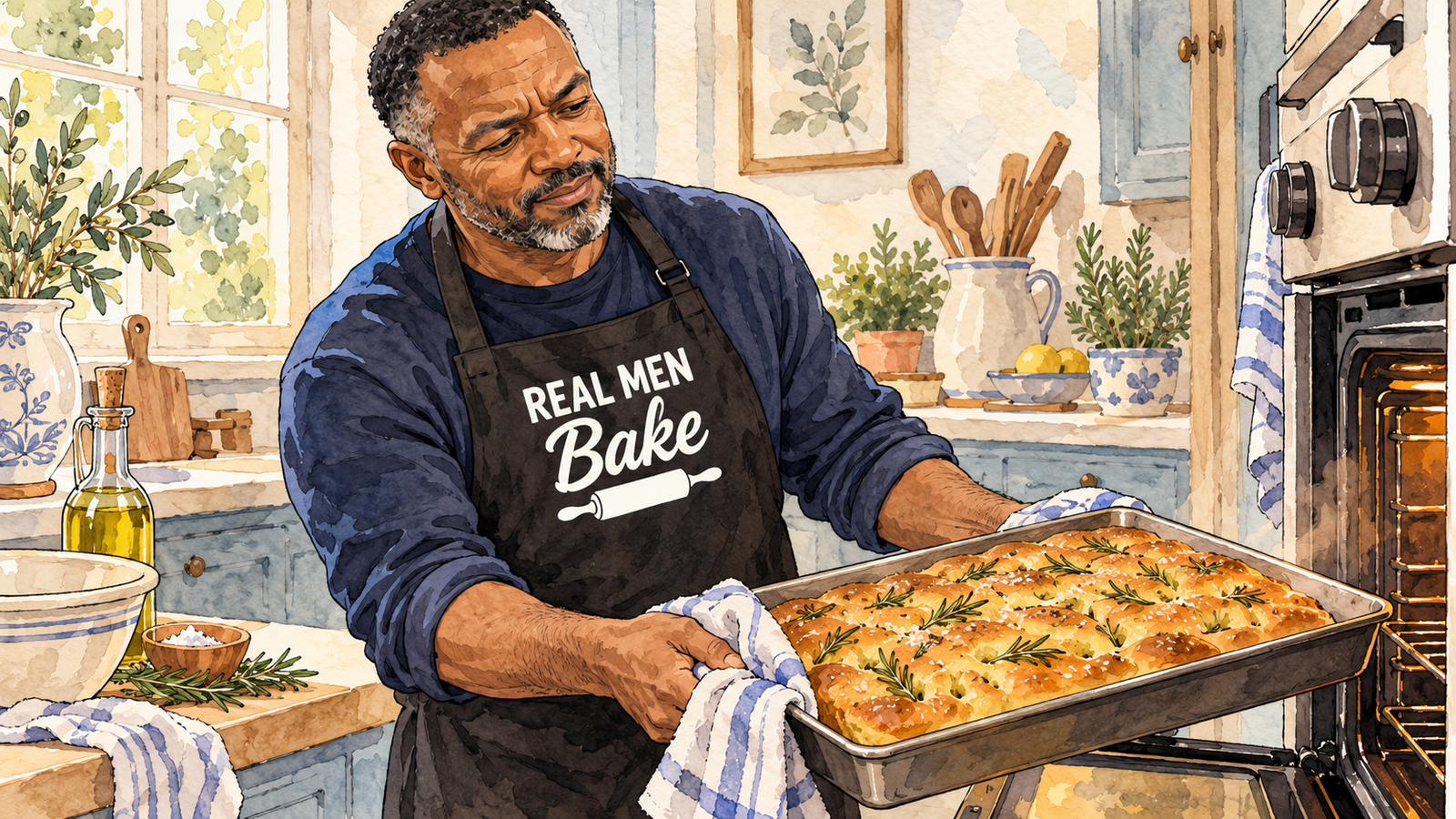
Imagine a man who has always regarded bread as something that arrives in a plastic bag. One afternoon he finds a simple recipe for focaccia and decides to try it. Perhaps he already has flour and yeast. Perhaps the photograph looks delicious. His first attempt is a little uneven, and the kitchen looks as though somebody opened a small bakery during an earthquake. But while he waits for the dough to rise, something unexpected happens: he enjoys himself.
He likes pressing his fingertips into the soft dough, scattering rosemary on top, and smelling warm bread throughout the house. Next time he tries a different amount of olive oil. He isn’t planning to enter a baking competition, and nobody is asking him to monetize his loaf. He has simply discovered a pleasure he didn’t know belonged to him. That is the lovely thing about a new favorite: you cannot always predict it from the person you’ve been so far.
Even Aesop Had Better Things to Do Than Look Serious
In Aesop at Play (Perry 505), an Athenian sees Aesop enjoying children’s games and mocks him for behaving without proper dignity. Aesop doesn’t give the man a lecture. Instead, he lays an unstrung bow on the ground and invites his critic to explain it. When the man cannot, Aesop explains that a bow kept constantly taut will lose its spring or break. It needs to be loosened sometimes to remain useful.
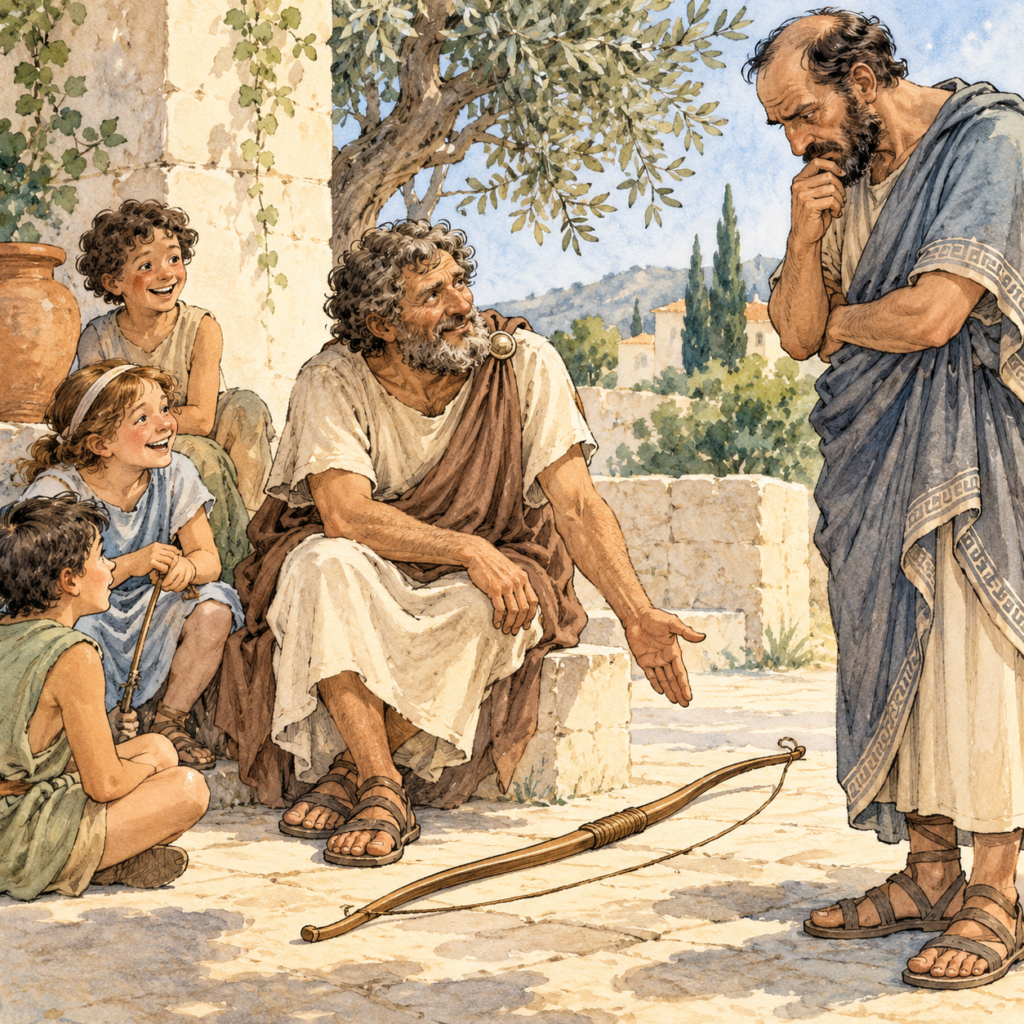
The fable is about rest and recreation, not learning to bake. Still, its critic is wonderfully familiar. He’s the fellow who believes an adult’s enjoyment ought to have a respectable explanation. We carry versions of him around in our own heads: Isn’t this silly? Am I too old for this? What good will it do? But the pleasure of playing, experimenting, or finding something unexpectedly delightful doesn’t need to defend itself in court.
Curiosity Is Still Allowed at Our Age
There is evidence that older people can continue learning. The National Institute on Aging describes research in which adults who learned demanding new skills, including quilting or digital photography, improved on certain memory measures. The agency also notes that enjoyable and meaningful activities can support well-being. Those findings are encouraging, although they don’t prove that any particular hobby prevents dementia or that everyone should take up something difficult.
And that distinction is important. You do not need to justify an enjoyable afternoon by claiming it will improve your brain. If learning a song, tasting an unfamiliar spice, or trying a new kind of novel pleases you, that’s a worthwhile outcome in its own right. Being a beginner at fifty, sixty, or seventy isn’t evidence that you’ve fallen behind. It’s evidence that you have encountered something new.
Give Something New a Small Audition
Rather than announcing a new hobby, try a small sample. Read the first chapter of a library book you would ordinarily ignore. Listen to three songs from a genre you think you dislike. Make half a recipe, watch a beginner demonstration, or spend ten minutes learning the name of a bird outside your window. The point is to find out whether you’re interested, not to prove you can finish a course.
Keep the experiment kind to your circumstances. Borrow supplies before buying them. Choose seated activities if standing hurts. Look for free library resources or online demonstrations if travel is difficult. Ask yourself two questions afterward: Did I enjoy any part of that? Would I like another taste? If the answer is no, you’ve learned something without having to store an expensive collection of abandoned equipment.
You Haven’t Met Everything You’ll Love
The new pleasure may become a lasting pastime or nothing more than one agreeable afternoon. Either result counts. There are enough duties in life without assigning performance reviews to our hobbies. What makes the possibility exciting is not the promise of becoming a new person; it is realizing that the person you already are may still have undiscovered tastes.
Somewhere there may be a book that makes you laugh aloud, a melody you’ll play twice, or a slightly crooked loaf you’re ridiculously pleased to have baked. The world has not finished offering things worth enjoying, and you do not have to know in advance which one will be yours.
✍️ What have you been saying “that’s not for me” about without ever giving it a try? Try a comment below…
🌿 You Might Also Enjoy
How to Find Joy and Purpose When Life Changes. When familiar roles and routines change, enjoyment doesn’t have to disappear along with them. Discover how small pleasures, unexpected interests, and everyday experiences can help you find something meaningful in the life you’re living now.
When the Life You Planned Is Gone. Life doesn’t always follow the plan we carefully made for it. Explore what happens when circumstances change, old expectations no longer fit, and new possibilities begin appearing in places you never expected to look.
🌿 More Stories for the Life You’re Living
Life changes, sometimes dramatically and sometimes one bewildering little inconvenience at a time.
Join From The Fables for a monthly letter filled with timeless stories, practical wisdom, and a little humor about navigating life’s changes.
And there’s a welcome gift! You’ll receive a free copy of Best I Can Do Is a Mustache, our illustrated, irreverent look at menopause and its many surprises.